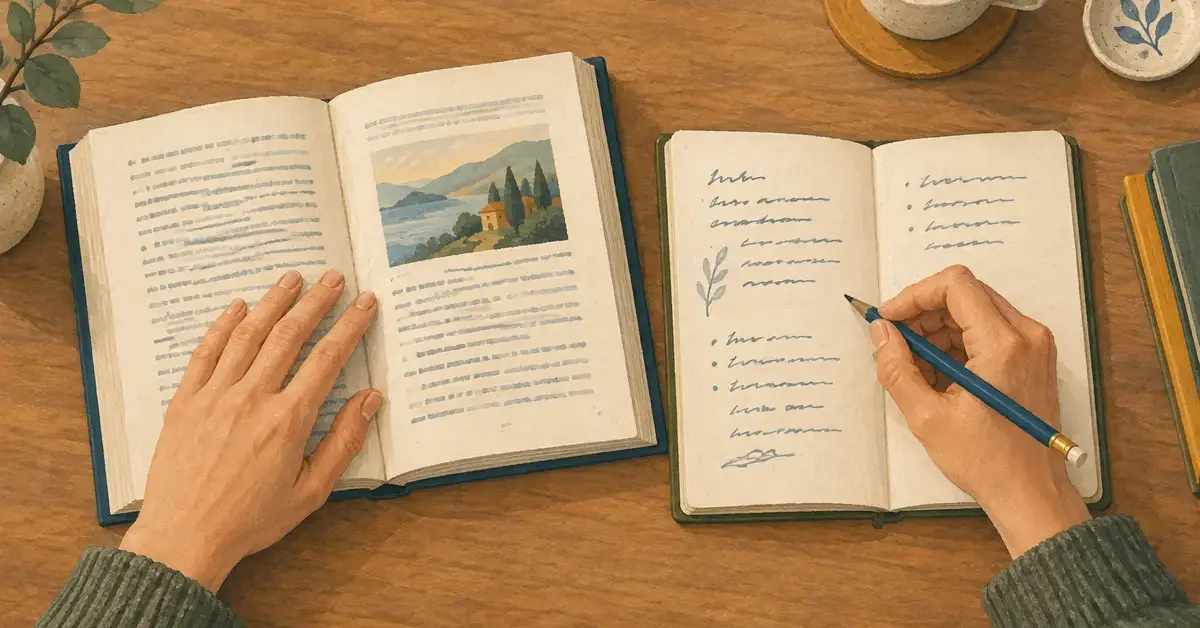
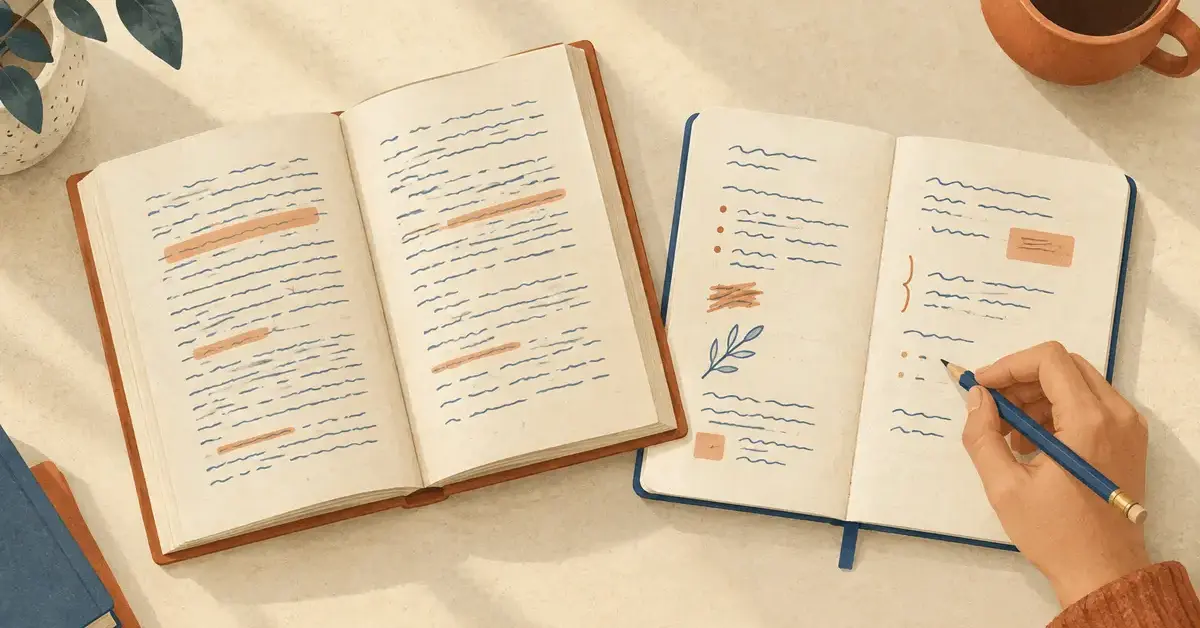
Put the book you want to read next to your pillow. When you get into bed tonight, try a page or two before you turn out the light. If you’re usually asleep by the second sentence, move the book to wherever you take your lunch break. Start with one moment you’re likely to get again this week.
Pick a Gap You Already Have
Think back over the past week. You’re looking for time when you were free to pay attention, even briefly. Ten minutes on a train seat is different from ten minutes on a platform where you keep checking for a track change. An evening with nothing on the calendar may sound ideal, but the few minutes after lunch might be the part of the day you can actually count on.
Give the moment a recognizable beginning. “I’ll read more after work” leaves a lot to decide when you get home. “Once I’ve changed out of my work clothes, I’ll read on the couch before I turn on the TV” tells you when to pick up the book. If your hours change from day to day, something you do anyway is often a better cue than a time on the clock.
Keep one spare opportunity in mind for when the usual one disappears. If lunch gets eaten at your desk, there might still be a stretch while you’re parked and waiting for someone. And if your usual break is the only time you get to sit and stare out the window, leave it alone. Pick a gap you’d actually enjoy spending with a book.
Match the Reading to the Moment
- When you could be interrupted any second: Try a poem, a magazine column, or a few pages of a book you already know. A waiting room is an especially good place for something you can close as soon as someone calls your name.
- When you have a few minutes most days: Keep going with a novel, memoir, or comic you’re eager to get back to. Long chapters are fine. Stop at a paragraph or scene break rather than waiting for a day when you can finish the chapter in one sitting.
- When your hands are busy: Try an audiobook while you fold laundry or put away groceries. A short essay collection is easy to dip into; a familiar story is a good choice if you tend to miss a sentence here and there.
- When you have the room to settle in: Save something you’d enjoy staying with, such as a mystery whose suspects you keep mixing up or a novel you’ve been putting off because you want to read past the first scene.
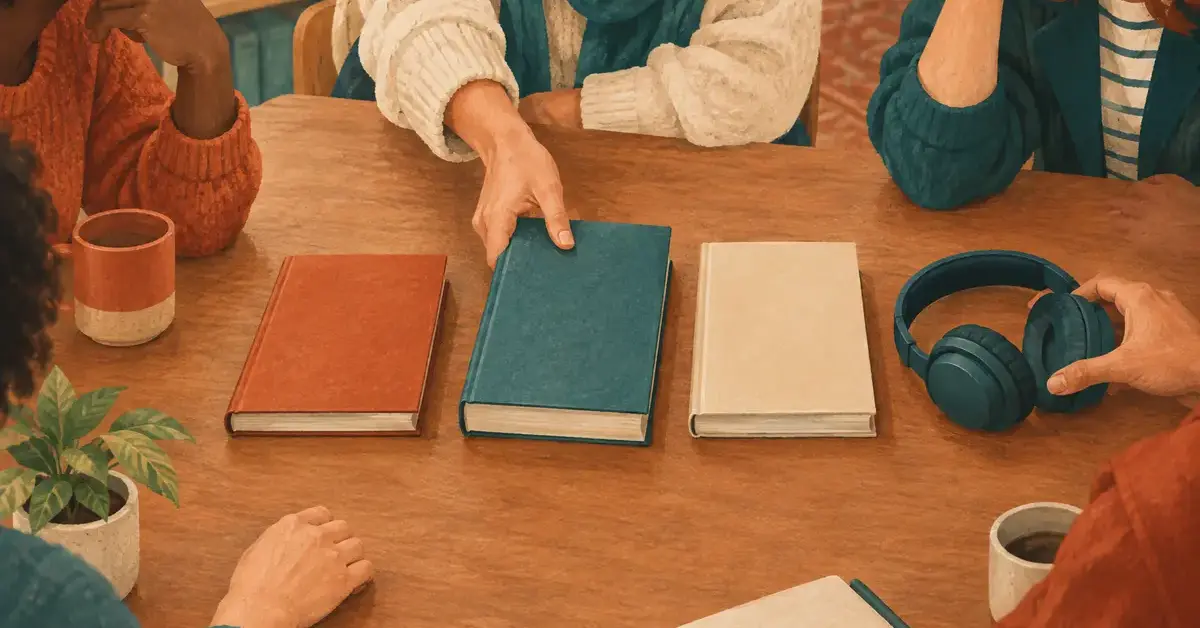
One book can cover the whole week. A second earns its place if it gives you a choice you’ll use: the paperback that fits in your bag, for instance, and the big illustrated book you’d rather open flat on the kitchen table.
Keep the Book Where You’ll Open It
Put the paperback in your bag after you read, rather than trying to remember it on the way out. If you read on your phone, download the book or article before a trip so you can open it even when the connection drops. When notifications keep pulling you out of the story, you could silence them for the break or try a paper book at that particular time.
If you tend to finish one book and spend the next few weeks deciding what to read, choose a likely follow-up while you still have a few chapters left. Take a book you already own off the shelf, save a sample, or place a library hold. You can change your mind when you get there.
What a Reading Week Might Look Like
Lunch Is Usually Yours
You bring a collection of essays to work and read after you eat. On Monday, you get through half an essay. On Tuesday, you finish it. A coworker invites you out Wednesday, so the book stays in your bag. Then Friday’s appointment runs late, and you’re glad it’s still there.
On Saturday you have the place to yourself for a while and pick up the mystery you left halfway through a chapter. The essays were good company at lunch; the mystery is what you’ve been looking forward to all week.
Your Shifts Keep Moving
Reading at the same hour never quite works, so you open your novel when you get home and sit down. After an early shift, there’s time for a chapter before dinner. After a late shift, you’d rather go straight to bed. On your next day off, you put on an audiobook while you sort the laundry, then turn it off when you’re done. The novel is still by the couch for the next afternoon you feel like opening it.
Change the Part That Isn’t Working
If you like the book once you’re in it but rarely open it, try moving it first. A book on the shelf upstairs may as well be out of the house when you have a few minutes on the couch. If you open it regularly and find yourself rereading the same paragraph, try a different time of day. If you have the time and still never want to turn the page, try a different book. There’s plenty to read besides the thing you thought you ought to finish, including a favorite you’d happily read again.
After a few days away, go straight to the bookmark. If you can’t remember why everyone’s heading to the train station, go back a page or two. There’s no missed reading to make up: Tuesday’s pages can be Friday’s pages, and on Friday you get to find out who was waiting on the platform.